
Why Does Your Nail Clipper Have A Little Round Hole?

At first glance, nail clippers aren’t exactly something you give a second thought to. They sit quietly in a drawer, get used when needed, and that’s about it. But if you take a closer look, there’s a tiny detail you’ve probably noticed before… and never really questioned.
That small hole on the lever.
It’s one of those design quirks that feels almost accidental—like it’s just there because it always has been. Most people assume it’s decorative, or maybe part of how the clipper is put together. Either way, it’s easy to ignore.
But it turns out, it’s doing a lot more work than you might think.
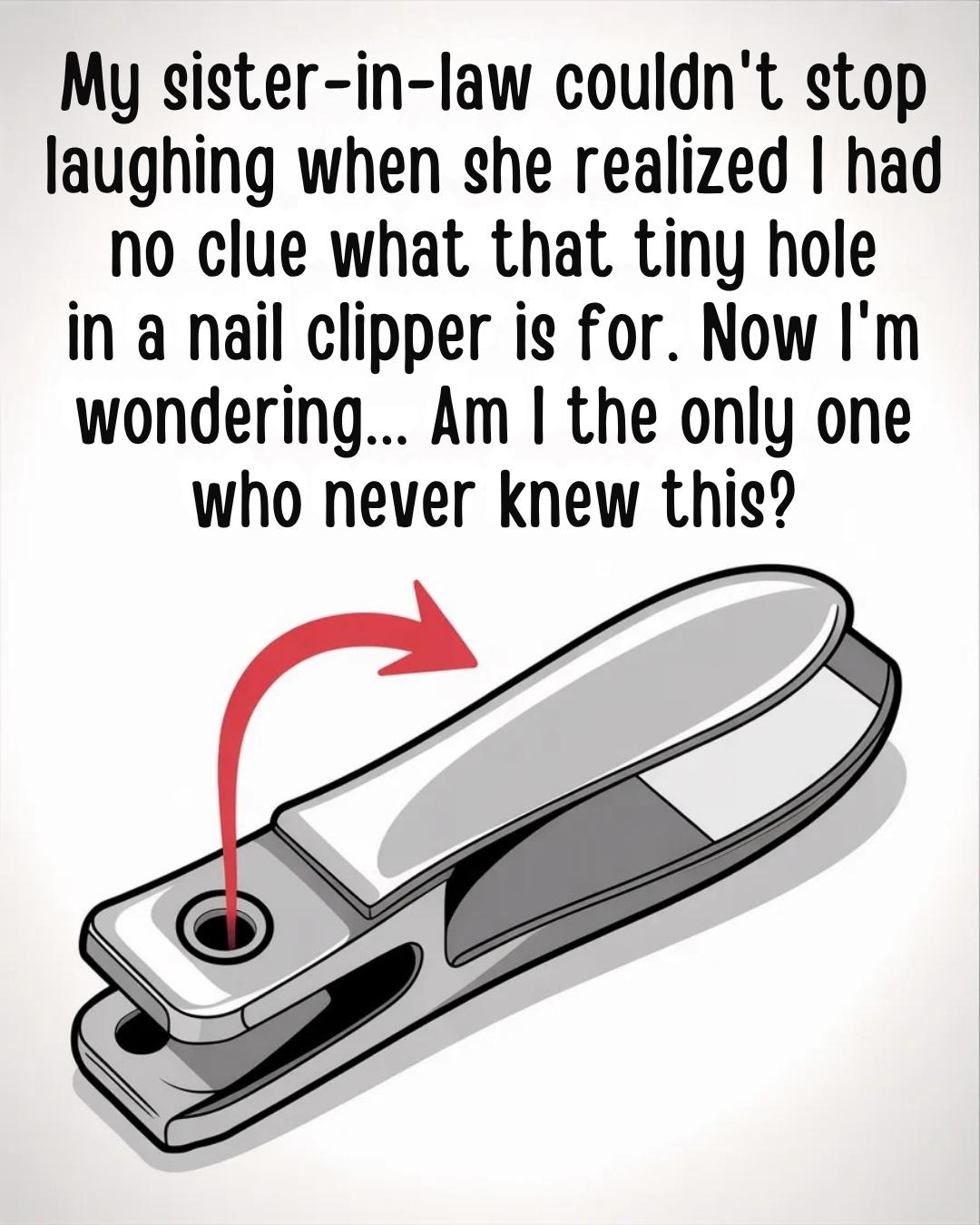
For starters, that little hole plays a surprisingly practical role in everyday life. Nail clippers are small, easy to misplace, and somehow always disappear right when you need them. The hole gives you a simple way to keep track of them—whether that’s hooking them onto a keychain, hanging them on a hook, or storing them somewhere visible instead of buried in a drawer.
It’s a tiny feature, but it solves a very real annoyance.
And that’s just the obvious use.
There are a couple of less noticeable ways it comes in handy, too. For some people, especially those who struggle with grip or dexterity, the hole can act as an extra point of control, making the clipper easier to handle. It can also be useful for keeping multiple clippers together—something that makes a difference in households that like to keep separate sets for different uses.
But what’s really interesting is that this detail wasn’t just added for modern convenience.
It actually dates back much further.
In the late 1800s, personal grooming tools started becoming everyday essentials rather than luxury items. Nail clippers, in particular, were often carried around, much like pocket watches. The hole made it easy to attach them to a chain or a chatelaine, keeping them close at hand throughout the day.
So that tiny, easy-to-miss feature?
It’s not random at all—it’s a small piece of thoughtful design that’s been quietly doing its job for over a century.
