
Where Those Costco Lobster Tails Are Sourced From

If you’ve ever strolled past the seafood section at Costco, there’s a good chance something caught your eye.
Those lobster tails.
Neatly packaged, always stocked, and definitely not cheap. Whether you’re planning a special dinner or just feeling a little indulgent, they have a way of ending up in your cart—usually alongside a mental note about the price.
Because let’s be honest… when a box of lobster tails can run upwards of £200 (or around $250), it naturally makes you pause and wonder:
Where are these actually coming from?
It’s not exactly something you think about at first glance. They’re just… there. Ready to cook, ready to impress.
But once you start digging into it, the answer is a bit more interesting than you might expect.
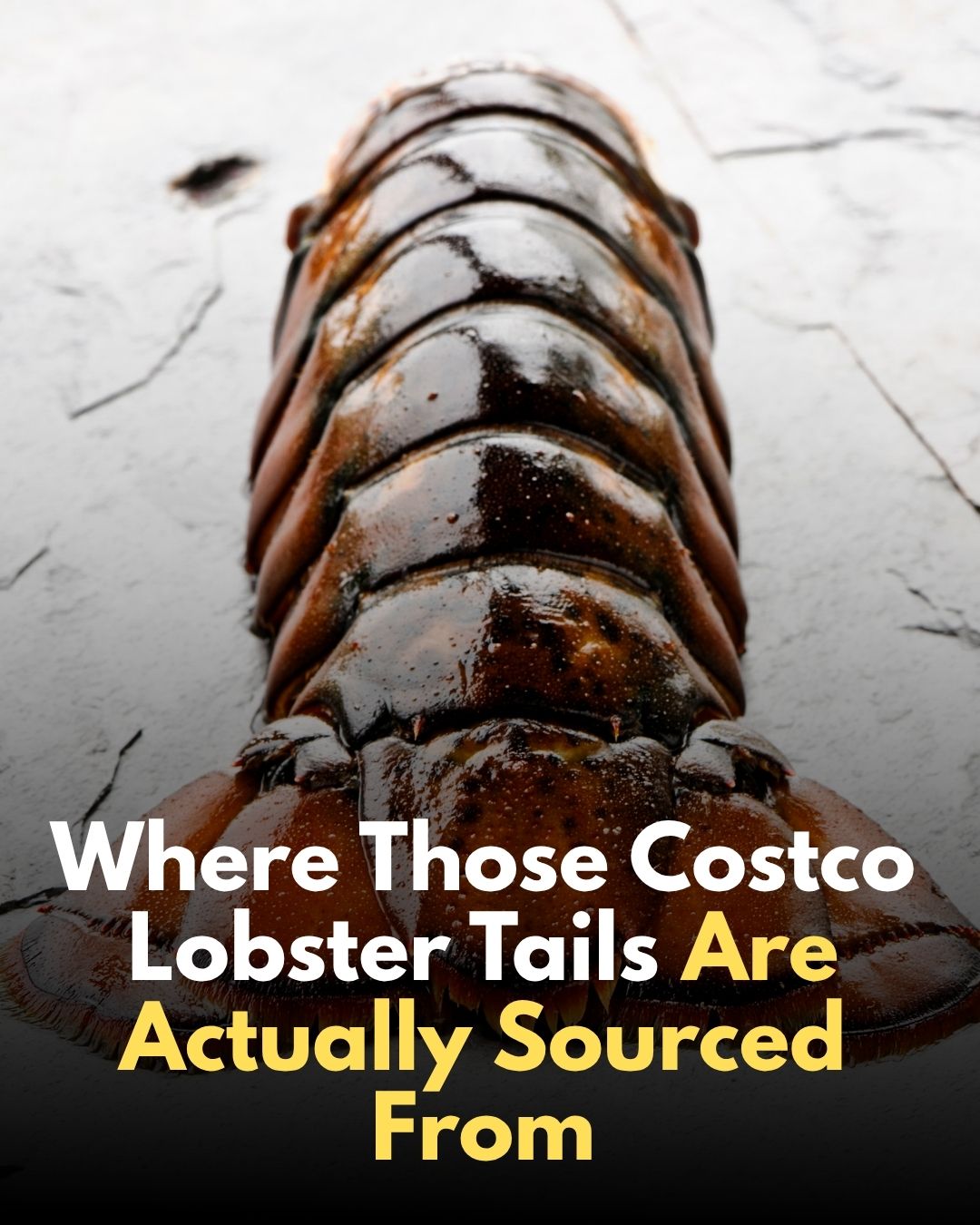
Most of the lobster tails you’ll find at Costco are sourced from cold waters in the Atlantic Ocean. We’re talking about the kind of regions known for producing the classic lobster experience—firm texture, slightly sweet flavor, and that familiar, buttery finish people love.
Specifically, many of these lobsters are wild-caught off the coasts of places like Maine and Canada. They’re typically harvested using traps designed to be both sustainable and selective, which helps protect the wider marine environment.
And those frozen tails you see? That’s intentional. Freezing locks in freshness, which is why Costco can keep them available year-round instead of just during peak seasons.
But here’s where things get a little less obvious.
Not all lobster tails at Costco come from the same place.
Depending on the location, you might also come across warm-water lobster tails—and they’re a completely different story.
These are still wild-caught, but they come from much warmer regions, including parts of the Caribbean. In some cases, they’re sourced from places like Honduras, where the waters—and the lobsters—are very different from their cold-water counterparts.
At first, it might seem like the only difference is geography.
But it actually goes a bit deeper than that.
Cold-water lobsters (the kind often associated with Maine) grow slowly in colder temperatures, which gives them that firmer texture and naturally sweet taste. They’re the ones people usually picture when they think of a classic lobster dinner.
Warm-water lobsters—often called spiny or rock lobsters—don’t have those large claws you might expect. Instead, most of their meat is concentrated in the tail. The texture tends to be a little softer, and the flavor is generally milder.
So when you’re standing in front of that freezer case, the choice isn’t just about price or size—it’s also about how you plan to use them.
If you’re going for something simple, like broiling with butter or serving alongside a glass of chardonnay, cold-water tails really shine.
But if you’re making something with bold flavors—think curries, stews, or heavily seasoned dishes—warm-water lobster can actually be the better fit.
Same store. Same section.
