
Why Are My Pancakes Dense? [4 Reasons & Fixes]

Whether you like your pancakes topped with sweet favourites like banana, honey, and blueberries, or you prefer to go with savoury choices like smoked salmon, bacon, and cheese, they make for a delicious weekend treat when you’re sick of cereal and tired of toast.
It’s quick and easy to make your own, and they almost always taste so much better than their readymade counterparts.
Getting the texture just right though requires a little bit of skill and practice.
If you find that your pancakes are too dense, you’re in the right place.
No one wants a pancake that’s stodgy, overly filling, and possibly even a challenge to chew!
In this guide, I’m going to examine the most common reasons for this kitchen conundrum, and reveal the simplest fixes.
(If you’re on a quest to perfect your pancake making, you might also want to browse the reasons why pancakes are too pale!)

Just need to grab the quick answer and run?
No problem!
Some of the most common reasons why your pancakes might be too dense include over beating the mixture, using ingredients that are cold straight out of the fridge, using too many eggs, and using expired baking soda or powder.
Let’s take a look at these important factors in more detail…
1. The Pancake Mix Has Been OVER BEATEN
One of the most common causes for pancakes being too dense is that the mixture has been over beaten.
Keep in mind that in this case, less is often more!
While stirring the batter, pay attention to its appearance.
When your mix is excessively smooth, it may lead to less-than-fluffy pancakes.
A good indicator that the batter is sufficiently combined is the presence of some bubbles.
If you’re using an electric mixer, consider switching to a lower setting and reducing the mixing duration.
Periodically stopping to examine the consistency of the batter can support in preventing overbeating.
Learning how to combine pancake mix for the right amount of time might require practice, especially if you tend to mix things excessively.
By being mindful of your mixing habits and making a conscious effort to avoid overdoing it, you can improve your pancake’s texture and ensure a light, fluffy, and delicious result.
2. You’ve Taken Ingredients Straight From The Fridge
Did you know that many seasoned pancake-makers suggest using room-temperature ingredients for optimal results?
When planning to make pancakes, it’s a wise idea to prepare and set out your ingredients well in advance.
This allows for components such as butter, eggs, and milk (depending on the recipe you choose) to reach room temperature before mixing them into a batter.
Having room-temperature ingredients facilitates the incorporation of air into the batter.
This added air creates light and fluffy pancakes and helps them from becoming too dense.
Do remember though that it’s typically not recommended to use milk that’s been out of the fridge for longer than 2 hours, for food safety reasons.
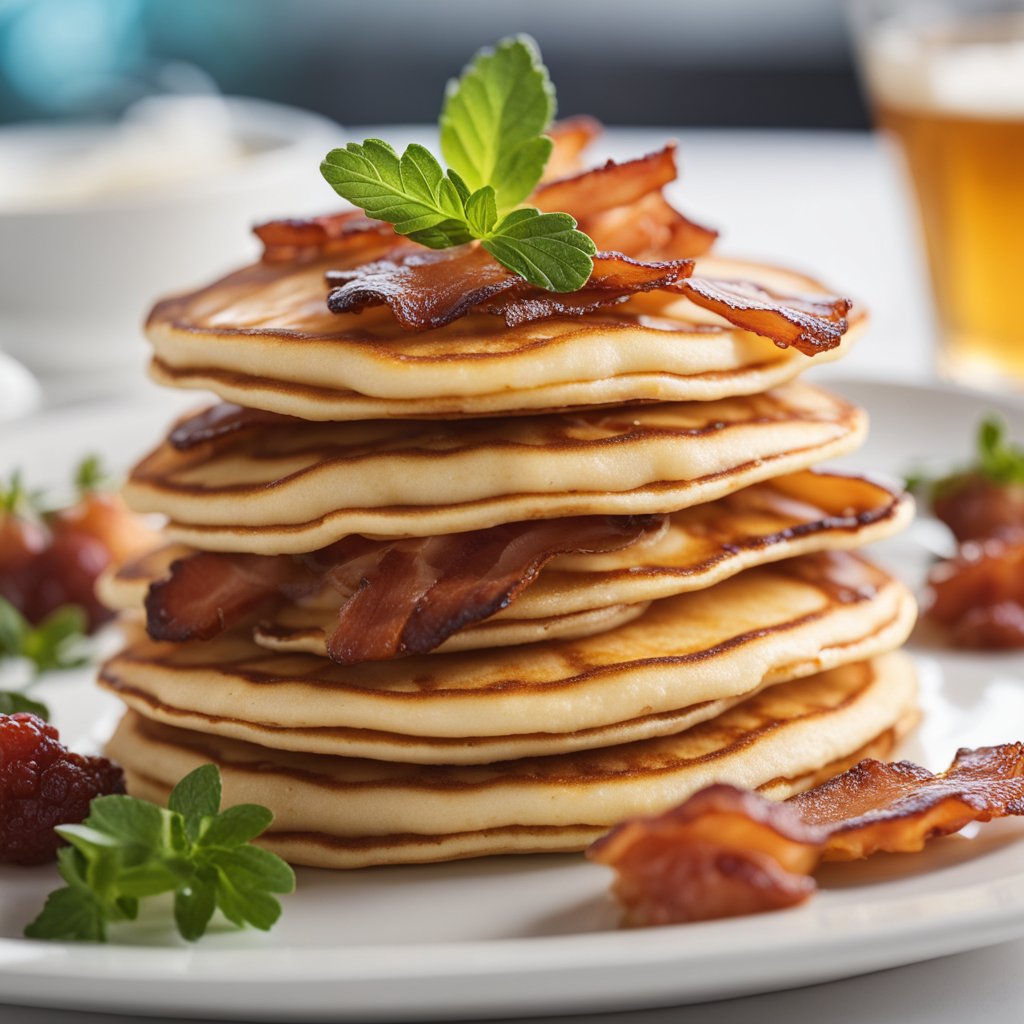
3. There’s Too Many Eggs in the Mixture
A frequent cause of dense pancakes is the overuse of eggs.
Be careful to read the recipe properly, and pay attention to the size of the eggs that you’re using.
If the recipe states 3 eggs, for example, and you use 3 large ones, that could quite easily equate to the equivalent of 4 regular sized eggs being used.
In the case of you only having large eggs at home, be sure to seek out a recipe that states large eggs.
4. You’ve Used Expired Baking Soda or Baking Powder
Using expiring or spoiled baking soda or baking powder could be responsible for those dense pancakes.
Most pancake recipes involve these leavening agents, which lose their effectiveness over time.
Baking powder generally stays usable for up to a year, but it might expire even sooner.
While baking soda is known for its indefinite shelf life, exposure to moisture can render it ineffective.
To determine whether your baking soda or baking powder has gone bad, simply conduct a little culinary test in your kitchen.
Place a small amount into a bowl of vinegar and observe if a reaction occurs.
No reaction informs you that it’s time to replace these ingredients.
Why are these leavening agents so crucial?
They play a significant role in the fluffiness of your pancakes by releasing carbon dioxide into the batter during the baking process.
This causes the pancakes to inflate and achieve the desired fluffy texture.
However, if you’re using expired or compromised baking soda or baking powder, this reaction won’t happen, leading to flat, dense pancakes.
Final Thoughts
While preparing your perfect, fluffy pancakes, it’s possible to face some challenges that could result in dense pancakes instead.
Several factors can contribute to this undesired outcome, but understanding these causes can benefit your cooking process.
Double-check if your baking soda or baking powder is still active, as expired ingredients won’t have the same desired effect, leading to flat, dense pancakes. Also, pay attention to the number of eggs you use, strictly following your chosen recipe.
To further improve your chances of achieving fluffy pancakes, use room-temperature ingredients rather than those taken directly from the fridge.
Overmixing the batter is another common pitfall.
To maintain the light texture of the pancakes, mix the batter gently and avoid over-stirring. By doing this, you’ll be one step closer to a delightful breakfast.
As for the cooking process, choose a suitable griddle and cooking temperature to ensure the pancakes are cooked evenly.
Keep a watchful eye on the heat to avoid problems, and have a spatula at the ready.
When it comes to oil, opt for those with mild flavours, like olive oil or coconut oil.
Although you can’t fix the density of a pancake that’s already cooked, you can always treat it as a learning experience and apply the knowledge gained to perfect your next batch.
Keep experimenting and mastering the art of pancake-making to make your breakfast times even more enjoyable, consistently achieving delightful, fluffy pancakes every time you crave them!
